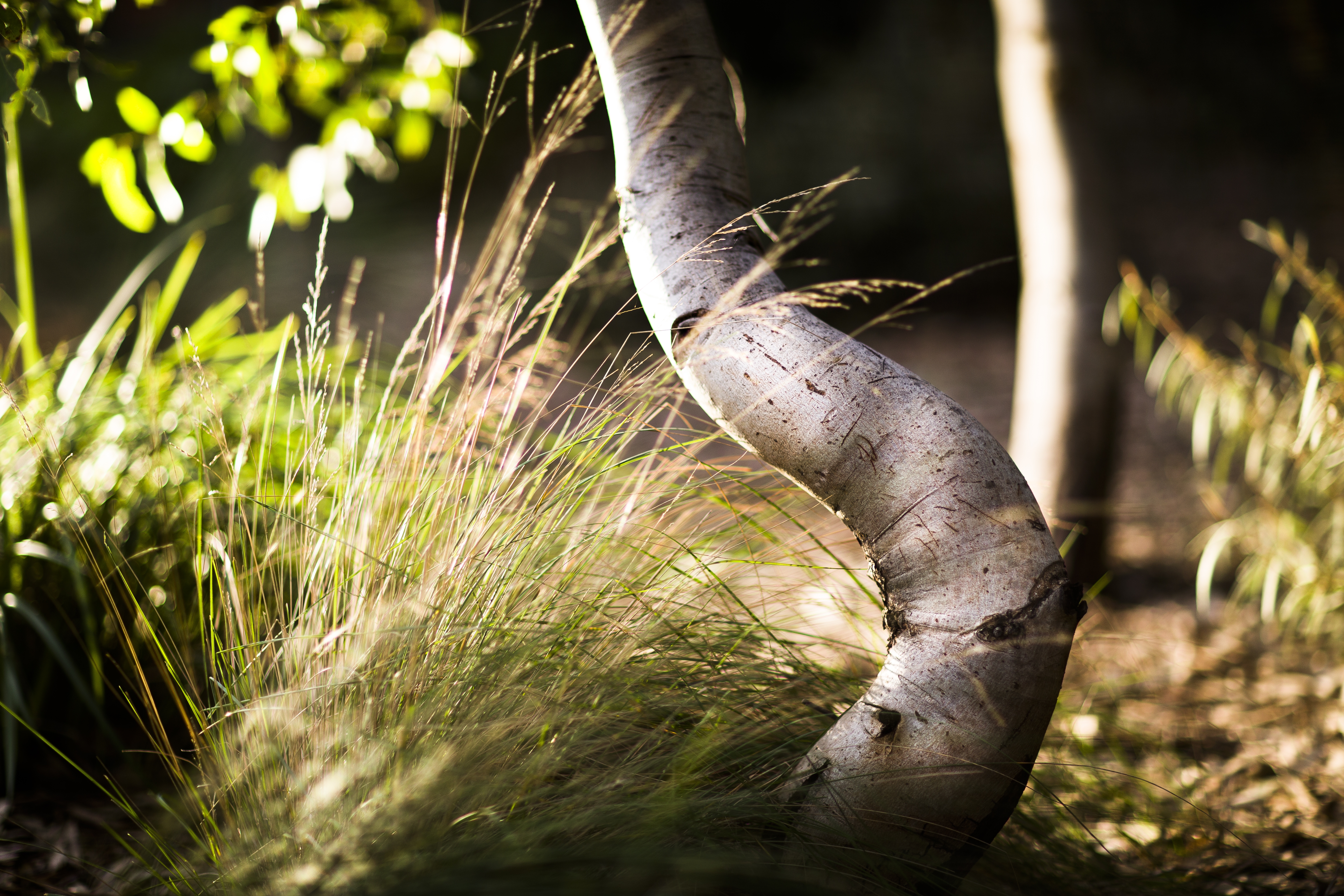
Wildlife-friendly and indigenous gardening

Create habitat at home and help local wildlife thrive.

Whether you have a large backyard, a small courtyard, or even a few plant pots, you can make a valuable contribution to biodiversity in Glen Eira by planting more locally native, indigenous plants, and creating habitat for native wildlife.

Wildlife-friendly gardens support a range of native wildlife, such as birds, bees, butterflies, lizards and frogs, whilst creating greener, healthier and more resilient neighbourhoods.

On this page

Why wildlife-friendly gardens matter

Glen Eira is home to a diversity of native wildlife, despite being a highly urbanised municipality. Our gardens, parks, waterways and street trees provide important habitat that helps local species survive and move through the urban landscape.

By creating wildlife-friendly gardens, you can help:

  • Increase habitat for native birds, insects and other wildlife
  • Support pollinators such as native bees and butterflies
  • Improve biodiversity across the municipality
  • Strengthen connections between parks, reserves and other green spaces
  • Create attractive, resilient and low-maintenance gardens

Indigenous plants and nurseries

Indigenous plants are species that naturally occurred in the Glen Eira area before European settlement. These plants have evolved to local soil, climate and environmental conditions and provide the food and shelter that local wildlife depends on.

Inexpensive indigenous plants are available from local not-profit nurseries, like:

Learn more: Visit our Indigenous Plants of Glen Eira page and download the Indigenous Plants of Glen Eira Guide to learn about the plants native to our local area, their growing conditions and the wildlife they attract.

5 ingredients to create a habitat garden

1. Plant a variety of vegetation layers

Create layers of planting with a mix of species to provide habitat for different wildlife.

Aim to include:

  • Trees
  • Shrubs
  • Native grasses
  • Groundcovers
  • Climbers and scramblers
  • Wildflowers

A garden with different heights and plant types, as well as logs, rocks and mulch, provides more food, shelter and nesting opportunities than a simple lawn or garden bed.

2. Provide food sources

Different wildlife species rely on different food sources.

Choose plants that produce:

  • Nectar for: birds like honeyeaters and insect pollinators
  • Flowers (with a variety of flowering times throughout the year): for pollinating insects like bees and butterflies.
  • Seeds and fruits for: small birds, lizards, skinks and parrots
  • Habitat like leaf litter and dead plant material for: insects, which are an important food source for many wildlife species

Avoid putting out bird or pet feed as this can make wildlife sick or more aggressive and assertive in your garden.

3. Add water sources

Fresh water is essential for wildlife, especially in hot and dry weather conditions.

Consider adding:

  • A bird bath (hanging or on a pedestal)
  • A shallow dish of water with damp sand for insects
  • A small pond or frog-friendly water feature where appropriate. You can learn how to make a frog pond or bog on Sustainable Gardening Australia’s website.

Place water sources in a shaded location and surrounded by sheltering vegetation. Make sure to clean and replace water from these sources regularly to avoid promoting mosquito breeding.

Add sticks or rocks into water sources to allow wildlife to climb out if necessary.

4. Create shelter

Wildlife need safe places to rest, hide, nest and raise young, and even sunbake!

You can create shelter by:

  • Planting dense and prickly shrubs – Small native birds depend on thick shrubs for shelter to move safely between areas, avoiding predators and for nesting and food sources.
  • Leaving leaf litter and mulch beneath garden beds – This ground layer is crucial for supporting a whole host of insect life, nutrients in the soils, and supports lizards and skinks who hide and hunt. You can access free mulch from Council’s tree pruning program.
  • Retaining logs and rocks – Hidey spots and sunbathing for lizards, reptiles and insects
  • Retaining mature and old growth trees – These trees can take over 100 years to produce a hollow and provide nesting sites for a range of mammals and birds such as parrots, gliders, microbats and possums.
  • Nest boxes – If you do not have a large tree, consider adding a nest box suitable to a particular species. You can make your own or buy one pre-made. For more information on types of nest boxes and where to locate them on a tree, please visit Sustainable Gardening Australia’s website. To build your own, visit Birds in Backyard’s website

Tips to make your garden more wildlife-friendly

Avoid pesticides and insecticides

Many of these chemicals in the garden can harm beneficial insects, like our pollinators and other wildlife like lizards that may eat insects or pests like snails. Use environmentally friendly and non-chemical alternatives to manage pests where possible.

Attracting the good bugs and pest-predating wildlife is a great way to keep the nasty pests out of your garden. Learn more about chemical-free gardening at Backyard Buddies website.

Keep cats contained

Cats can have a significant impact on local wildlife. Keeping cats within your property helps protect birds, reptiles and small mammals.

Glen Eira is introducing a cat curfew in late 2026, where cats will be required to remain on owner’s property between 7pm and 6am.

Avoid invasive plants

Choose indigenous or non-invasive species to help protect local ecosystems and prevent the spread of environmental weeds.

Using wildlife-friendlier netting for edible gardens and fruit trees

Since 1 September 2021, netting with a mesh size greater than 5mm x 5mm has been illegal on household fruit trees in Victoria, with penalties applying

Use wildlife-friendly netting (small enough that you cannot poke your finger through) to help prevent birds, bats, possums, reptiles and other wildlife from becoming entangled and injured. Learn more on the regulations at the DEECA Victoria webpage.

Related information