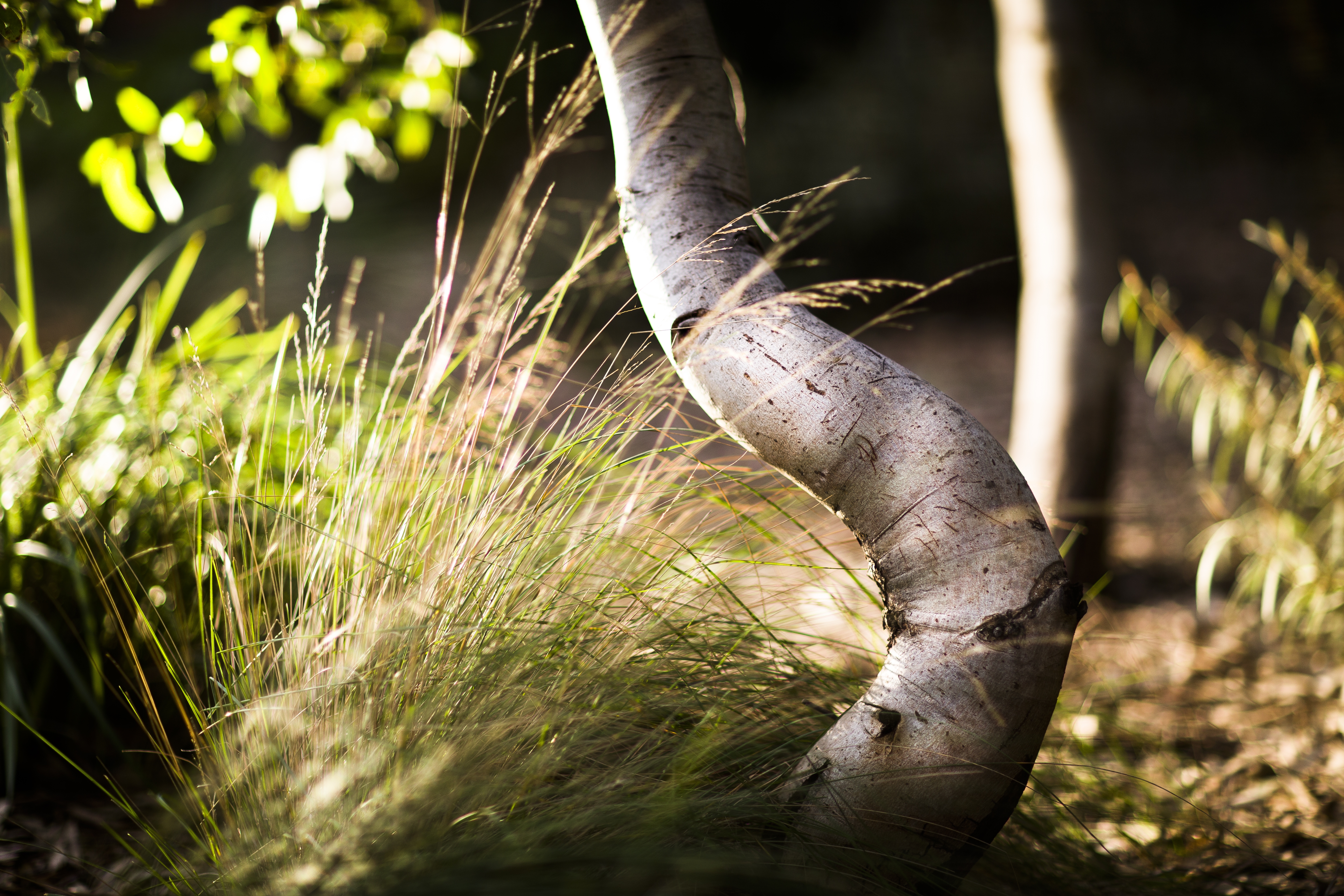
Citizen science is a great way for anyone across the community to contribute to real environmental research.
Citizen Science
By documenting local wildlife, recording plant observations or tracking changes in a waterway, you can help scientists, researchers and land managers better understand our environment and make more informed decisions to protect and manage it.
Participating in citizen science means you can:
- Be part of important scientific research and conservation efforts
- Understand your local environment better
- Gain new skills and experience
- Get involved with and meet like-minded community
How to get involved
Taking part is easy, you do not need to be a scientist with specific knowledge or equipment. You can take part by participating in community events, joining local environmental volunteer groups or even by simply snapping a photo on your phone from your own backyard or during a dog walk.
Join a challenge or local event
We run a range of citizen science walks and events throughout the year. Glen Eira is part of the Greater Melbourne collaboration where we compete with cities from around the world to make observations of wild plants and animals.
To keep up to date with our events throughout the year, sign up to our Sustainability E-Newsletter.
Upcoming events
Bugs in the backyard: mini-creatures discovery day
Saturday 14 November, 10am-12pm
Rippon Lea Estate (meeting at the entrance gate on Hotham Street) Elsternwick
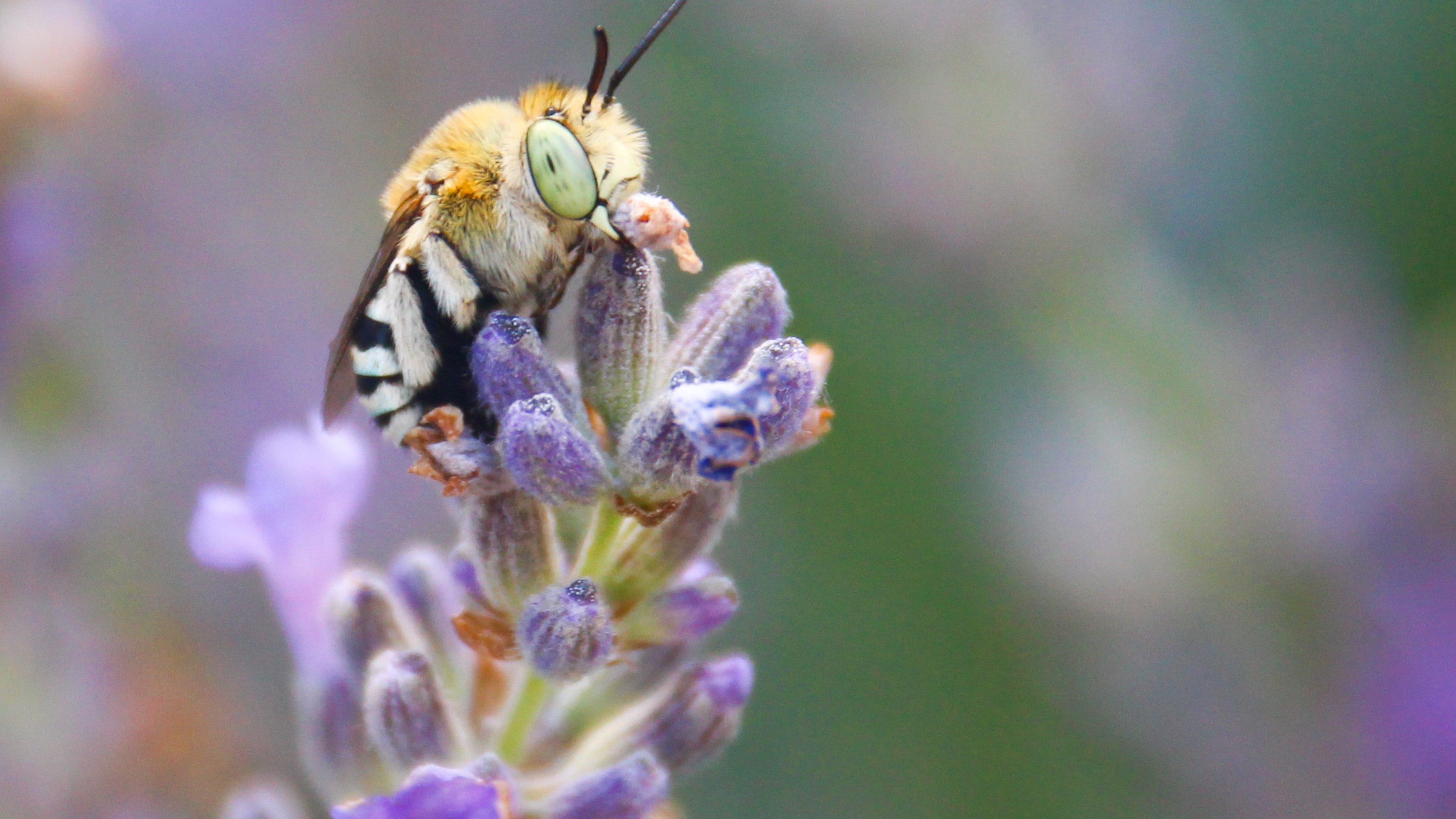
Celebrate National Pollinator Week with a family-friendly insect exploration and bug hunt adventure at Rippon Lea Estate!
From native bees and butterflies to beetles, flies and spiders, insects play an essential role in supporting healthy ecosystems and productive gardens.
Overview
Join Daniel and Benjamin Kurek, experienced insect and spider specialists, for a hands-on exploration of the miniature wildlife living all around us. Daniel is an entomologist and member of the Entomological Society of Victoria, while Benjamin is an Australian arachnid enthusiast and educator who enjoys sharing the fascinating world of spiders and other invertebrates with people of all ages.
Discover the incredible diversity of insects and pollinators that call our gardens, parks and reserves home, learn about the important roles they play in our gardens, and explore simple ways to create pollinator and insect-friendly habitats at home.
Perfect for families and children, this interactive event includes a guided bug hunt, searching for insects that buzz, crawl and flutter, investigating habitats, viewing spider and insect specimens up close and contributing observations to citizen science projects helping scientists monitor biodiversity.
This event is delivered by Glen Eira City Council in partnership with the National Trust of Victoria.
What to bring
- Enclosed walking shoes
- Weather-appropriate clothing and sunscreen
- Magnifying glass (optional)
- A smartphone or mobile device (for adults to take pictures and make recordings)
- Feel free to bring lunch, snacks and a picnic rug to enjoy and spend some extra time exploring the Estate after the event.
To plan your visit and see access information, please visit Rippon Lea Estate's webpage. Contact us before the event if you have any enquiries or need assisted access for this event.
Citizen Science participation
The bug hunt is being hosted as part of Australian Pollinator Week, a citizen science challenge encouraging communities to document and celebrate our wonderful local pollinators, from November 7 to 15. Your observations will contribute to a growing dataset that supports research and conservation both locally and globally.
We encourage adults attending to download the free iNaturalist app before the event and create an account. We will also have observation equipment available for children and families that will not require a device.
Learn more about iNaturalist below.
The hidden life of bats: research and conservation night
Friday 27 November, 8pm-9.30pm
Rippon Lea Estate (meeting at the entrance gate on Hotham Street) Elsternwick
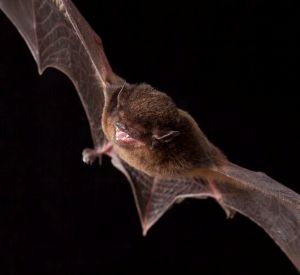
Discover the fascinating world of native bats and contribute to research on local urban bat species as a citizen scientist for the night!
Join bat rescuer and expert from Fly By Night Bat Clinic and local bat researcher and citizen scientist, Robert Schiller, for a unique nocturnal wildlife experience at Rippon Lea Estate.
Overview
Learn about the incredible native bats that call Melbourne home, including the iconic Grey-headed Flying Fox, their important role in supporting healthy ecosystems, and how simple actions such as wildlife-friendly netting and responsible lighting can help protect them.
Following the presentation, you'll head out into the grounds of Rippon Lea with bat survey equipment including thermal imaging technology and microphones to detect and identify the bats active after sunset. You'll learn how scientists and citizen scientists monitor bat populations and contribute valuable biodiversity data.
This event is delivered by Glen Eira City Council in partnership with the National Trust of Victoria.
What to bring
- A smartphone or mobile device
- Enclosed walking shoes
- Weather-appropriate clothing
- A torch or headlamp
Citizen Science participation
This event is being hosted as part of the Great Southern BioBlitz, a citizen science challenge across the Southern Hemisphere, encouraging communities to document and celebrate local biodiversity across the challenge period, November 27 to 30. Your observations will contribute to a growing dataset that supports research and conservation both locally and globally.
We encourage attendees to download the free iNaturalist app before the event and create an account.
Learn more about Glen Eira's Citizen Science program, how to use iNaturalist and other local projects on our website.
Photo credit: Museums Victoria (Photographer - Paul David, accessed from collections.museumsvictoria.com.au/species/12367)
Wildlife after dark: discovering Boyd Park
Sunday 29 November, 7.30pm-9pm
Boyd Park (North end- near pavilion and BBQ area) Murrumbeena
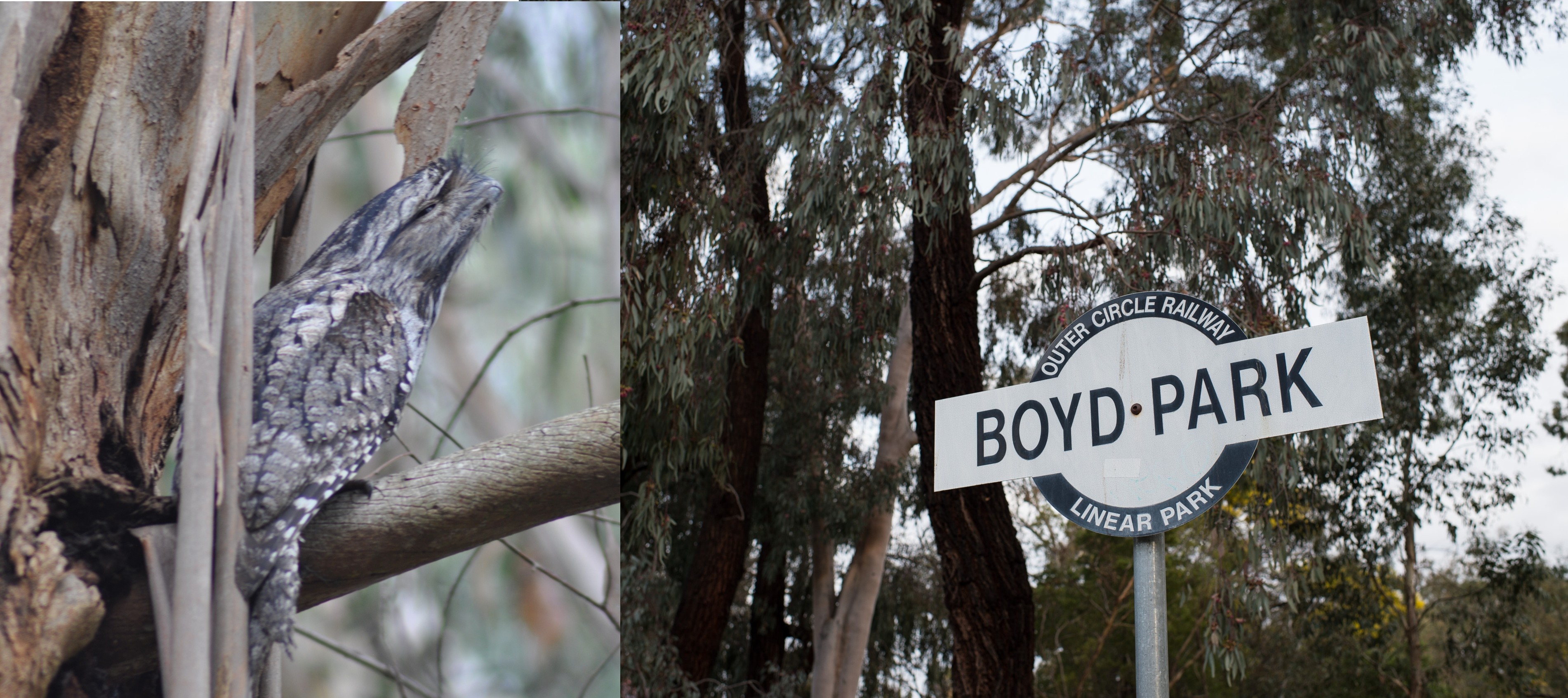
When the sun goes down, Boyd Park comes alive with a surprising diversity of wildlife. Join entomologist, Daniel Kurek, and citizen scientist, Robert Schiller, for an evening of nocturnal discovery, documenting moths, insects, bats and other creatures that call our local parks home.
Overview
Using specialist lighting equipment, Daniel will introduce participants to the remarkable diversity of moths and nocturnal insects found in urban environments. Robert will demonstrate bat survey techniques using thermal and acoustic technology to detect and identify bats flying overhead.
This citizen science event provides a unique opportunity to observe wildlife not often known to us or seen during daylight hours, while contributing valuable biodiversity records.
Many species become active after sunset, with some insects and bats appearing later in the evening. Our citizen science experts will stay until after 9pm for those interested in spotting these nocturnal species.
This event is hosted by Glen Eira City Council's Sustainability Team.
What to bring
- A smartphone or mobile device
- Enclosed walking shoes
- Weather-appropriate clothing
- A torch or headlamp (optional)
Citizen Science Participation
This event is being hosted as part of the Great Southern BioBlitz, a citizen science challenge across the Southern Hemisphere, encouraging communities to document and celebrate local biodiversity across the challenge period, November 27 to 30. Your observations will contribute to a growing dataset that supports research and conservation both locally and globally.
We encourage attendees to download the free iNaturalist app before the event and create an account.
Learn more about iNaturalist below.
Using iNaturalist
iNaturalist is a great observation and recording tool for citizen science. You can use the web version or download the free mobile app to record observations.
You can access iNaturalist’s video tutorials to learn how to take clear photos, use the app tools and make observations on the mobile app and desktop.
Other applications to record wildlife and fungi
There are many great apps that make identifying wildlife and easy.
- Melbourne Water frog census: Record a frog call and add it to data collection for frog research. It has frog call recordings for easy identification.
- Birdlife Australia Aussie Birdcount: Walks you through how to identify every Australian bird you see.
- Museums Victoria Fauna App: Combines animal descriptions with photos, as well as animal calls, distribution maps, conservation status, butterfly flight times, frog calling times and depth information for marine species.
- FungID App: A free and open phone application that helps to predict and identify mushroom and fungus observations you make. Find fungus names, where they have been locally observed and other information about species.
Citizen science for kids
Explore these tools and resources to enjoy citizen science activities with kids at home, in schools, or in early learning settings.
- Nature Explorer Journal - use this booklet to run nature hunts, exploration activities and wildlife observations.
- Seek (iNaturalist) — An easy-to-use app that helps students identify plants and animals and explore local biodiversity. Seek was created by iNaturalist and is a kid- and family-fun friendly alternative that requires no user data or registration. For more information, visit iNaturalist’s educator guide.
- Bug Hunt Data Sheet - We’ve set up pollinator observatories at Rippon Lea Estate in Elsternwick where you can record your wild pollinator sightings.
