Published on 27 May 2025

The Elsternwick Club — where heritage meets open space

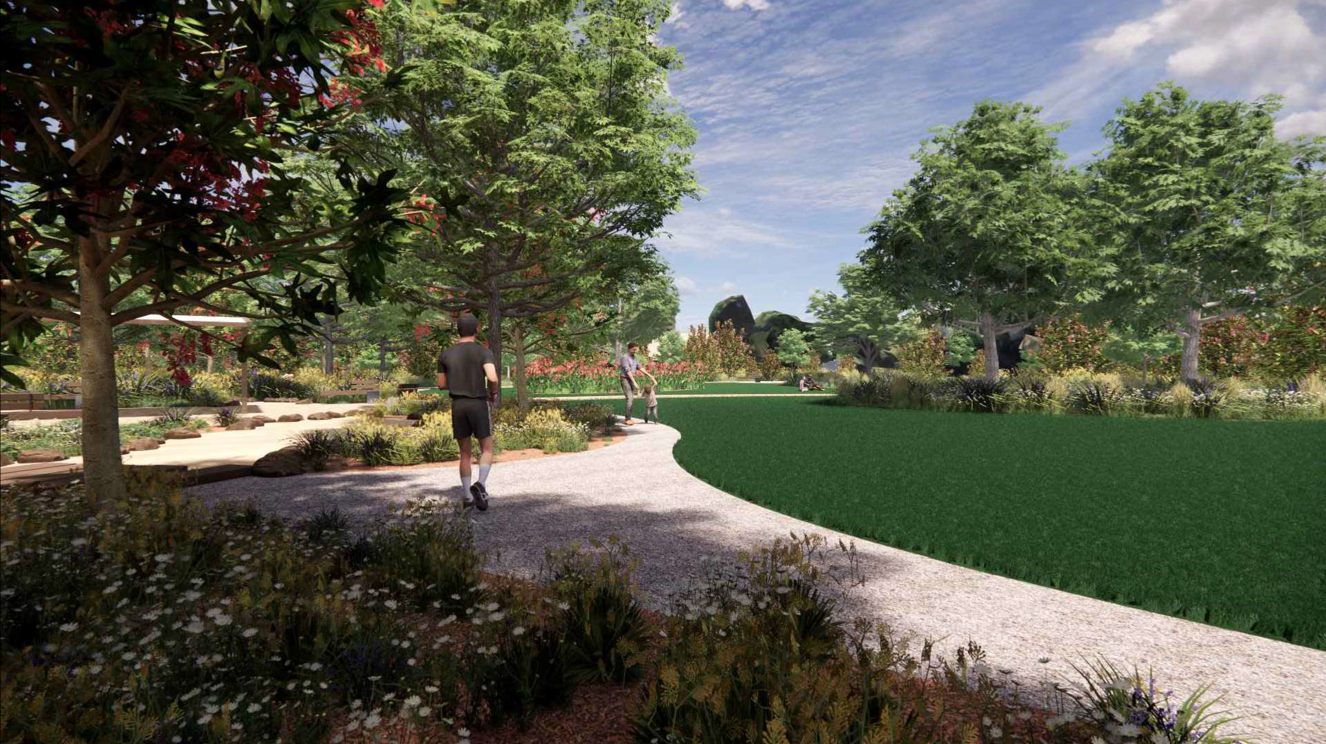
We’re creating public open space for our community to enjoy on Sandham Street in Elsternwick.

We entered an agreement to purchase the historic Elsternwick Club site on Sandham Street, Elsternwick in 2024.

We plan to retain the beautiful heritage bment period, and we formally take the site over in 2027. In early 2025, we started conversations with our community about the future of the space, including both the building and the surrounding land.

After two phases of community consultation, Council formally endorsed the landscape concept plan for the future open space on the 16th December 2025, marking a major milestone in the project.

Long-term plans

Over the two community engagement phases, which included surveys, pop-up events and social media promotion – more than 650 pieces of feedback were received.

There was strong support for the overall design direction, with a clear preference for a green, native and welcoming park, incorporating generous tree canopy, informal seating and a small, nature-based play area within the heritage setting.

A Community Advisory Committee of 10 local members played a key role in shaping the design, ensuring it reflects community needs and heritage values.

What’s next? 

The concept plans provide a clear vision for the future of the Elsternwick Club site. The next phase will focus on further developing the design, including working with Traditional Owners and our History and Heritage team to inform cultural recognition and landscape outcomes.

A formal naming process is anticipated in 2026 and will include community engagement.

For more information and to stay updated with community engagement, visit our Have Your Say — The Elsternwick Club page.

Funding

The purchase of the site was primarily funded through Council’s Open Space Reserve, which is made up of developer contributions.

The construction and delivery of the new open space will be subject to securing further funding. Council will continue to advocate to the Victorian and Australian Governments for funding to support the development and upgrade of the site.

Read more about our advocacy efforts and priorities.

The Elsternwick Club Site (Stanmere Estate) — historical overview

Early history

  • The property was originally part of Crown Portion 266 in the Parish of Prahran, subdivided in 1860 and purchased by Elizabeth Short.
  • In c.1888, Elizabeth and her son William commissioned architect Thomas Watts & Sons to design a grand Victorian Italianate villa known as Stanmere.
  • By the 1890s, the residence contained 12 rooms, extensive verandah with decorative tiling, and substantial outbuildings including stables, coach houses and men’s rooms.

Transition to The Elsternwick Club

  • Following Elizabeth Short’s death, Stanmere was sold in 1903 and later advertised again in 1919 with additions such as a billiard room.
  • The Elsternwick Club, established in 1898 as a social club for Caulfield’s professional and business community, purchased Stanmere in 1919.
  • A bowling green was constructed to the rear of the property and formally opened in 1926, replacing the original stables and outbuildings.
  • The Elsternwick Club has continuously occupied the property for nearly over a century.

Alterations over time

  • 1950s–60s: Rear portions of the house were demolished and replaced with a large single-storey addition (1961), which connected to the villa’s wrap-around verandah.
  • 1990s: A further single-storey addition was built to the east, imitating original detailing. A carpark was added in the southeast corner.
  • Despite these changes, the villa’s principal southern façade, chimneys, verandah, and decorative detailing remain prominent.

Architectural and Heritage Significance

Key Features of the Villa (Stanmere)

  • Victorian Italianate / “Boom Style” design:
    • Single-storey scale with complex hipped slate roof and tall, decorative chimneys.
    • Asymmetrical façade with a grand entry bay, two-tiered pediment, urns, string courses, and motifs.
  • Verandah: Cast-iron lacework, fluted columns, and tessellated tile floors (including a later Elsternwick Club emblem panel).
  • Windows and doors: Richly articulated with stained glass, twisted pilasters, moulded surrounds, arched heads, and sidelights.
  • Interior Elements (still present in parts): dado panelling, picture rails, cornices, fireplaces and hearths.
  • Garden Setting: Semi-circular path leading to the main entry and a flagpole aligned to the entry axis, reflecting the original formal layout.

Heritage status

  • Covered by Heritage Overlay HO60 (Stanmere/The Elsternwick Club) within the Elsternwick Estate and Environs Precinct HO72.
  • Significant for its historical associations with the Short family, its century-long social connection to The Elsternwick Club, and its aesthetic value as a fine Italianate villa.
An undated black and white photograph (90mm x 140mm) of the exterior of the Elsternwick Club Building at Sandham Street.
An undated black and white photograph (90mm x 140mm) of the exterior of the Elsternwick Club Building at Sandham Street. 'Courtesy of Glen Eira Historical Society'
Lawn Bowls at the Elsternwick Club
Billiards at the Elsternwick Club

Related Articles

27 May 2025

Porter Road, Bentleigh open space
Porter Road, Bentleigh open space

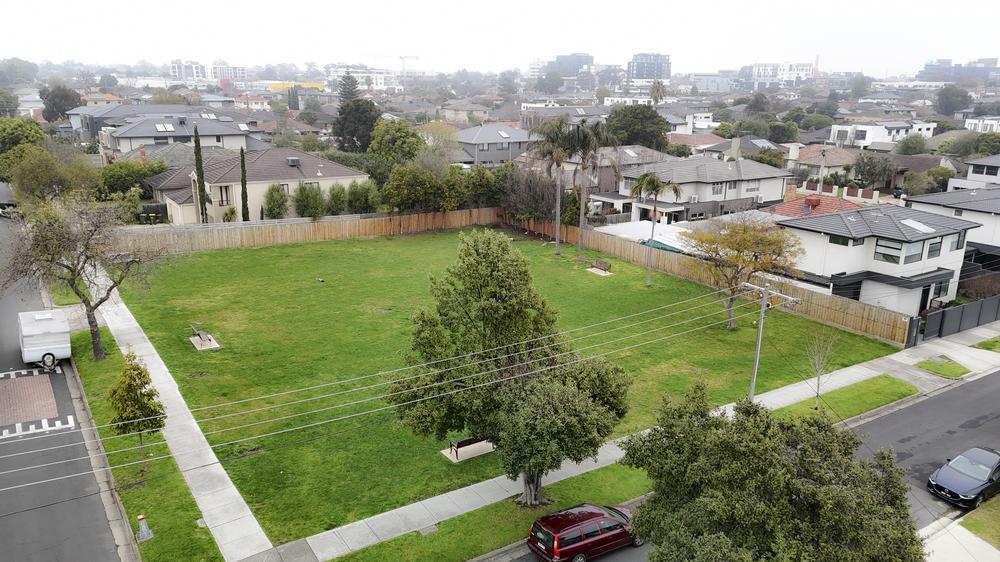
We’re creating public open space for our community to enjoy on Porter Road in Bentleigh.  

27 February 2025

Ames Avenue Carnegie open space

We’re creating public open space for our community to enjoy in Ames Avenue, Carnegie.